
How to Arrange Trusted Home Care for an Ageing Loved One in Nigeria
Arranging care for an ageing loved one can feel overwhelming, especially from a distance. Learn how to choose trusted home care in Nigeria and stay involved wherever you are.
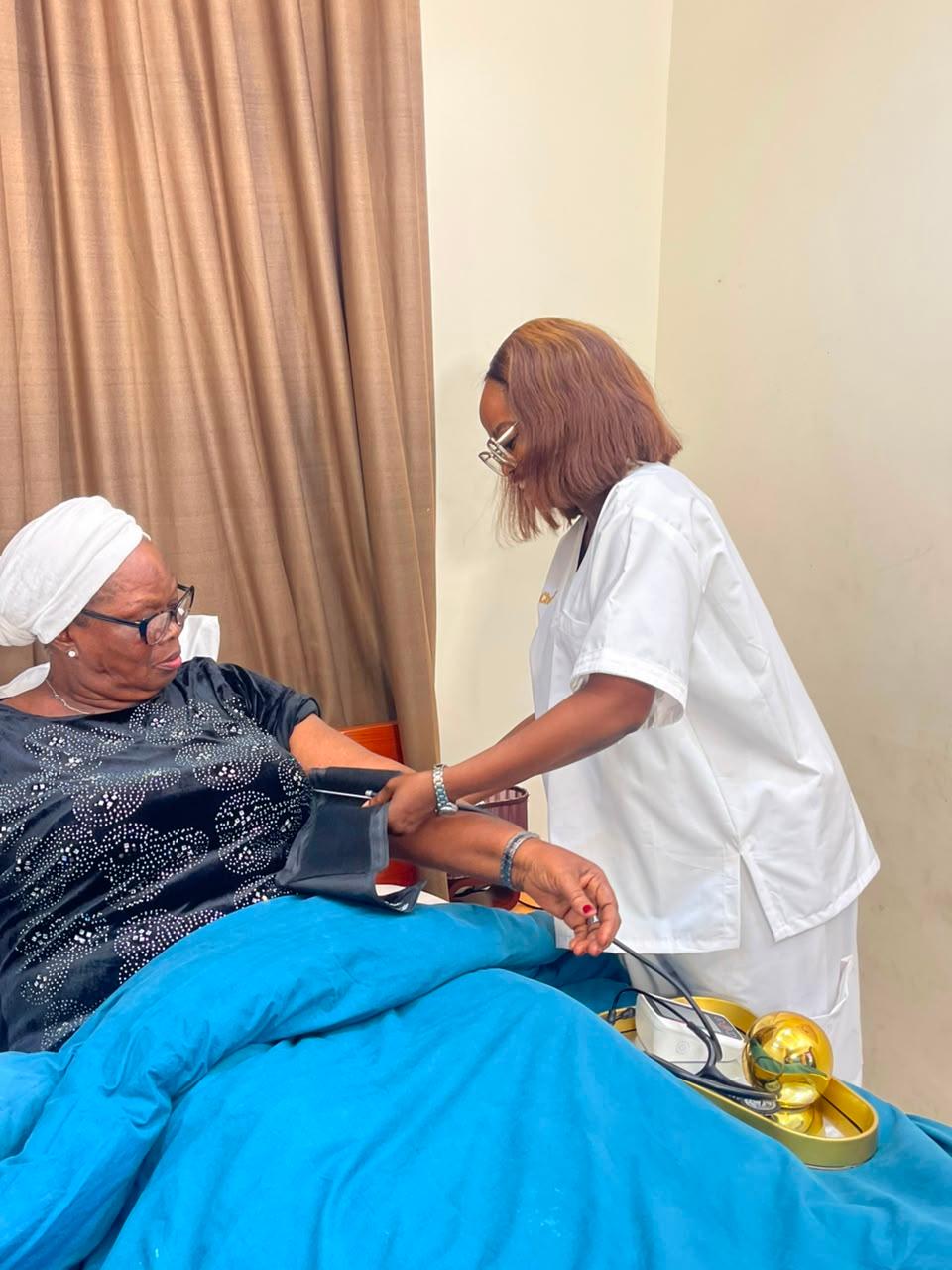
Caring for an ageing loved one can feel overwhelming, especially when work, distance or other responsibilities prevent you from being physically present.
You may find yourself wondering: Are they eating properly? Are they taking their medication? Are they safe at home? And if you live abroad, how can you be certain that the information you receive is accurate?
Professional home care can help your loved one remain safe and comfortable in familiar surroundings while giving your family greater peace of mind. Here is what to consider when arranging home care for an elderly loved one in Nigeria.
What is home care?
Home care is professional support provided in a person’s own home. The exact support should depend on the individual’s health, daily routine, preferences and level of independence.
It may include:
- Wellness checks and monitoring of vital signs
- Medication reminders or support
- Assistance with bathing, dressing and grooming
- Meal and hydration support
- Mobility assistance and fall prevention
- Companionship and emotional support
- Support following an illness, surgery or hospital discharge
- Updates for authorised family members
Not everyone requires full-time care. Some people may only need regular wellness visits, while others may benefit from daily or overnight support. A proper consultation helps determine what is appropriate.
Signs your loved one may need additional support
Changes are often gradual and may be dismissed as a normal part of ageing. However, it may be time to seek professional guidance if your loved one is:
- Becoming more forgetful or missing medication
- Struggling with bathing, dressing, cooking or household tasks
- Falling frequently or becoming less steady
- Eating or drinking less than usual
- Becoming withdrawn, anxious or unusually irritable
- Finding it harder to manage an existing health condition
- Recovering slowly after an illness or hospital visit
One sign does not automatically mean that full-time care is needed. It does mean that a conversation and professional assessment may be helpful.
How to choose a trusted home-care provider
- Involve your loved one
Speak with them about what has become difficult and what kind of assistance would feel comfortable. Home care should protect their dignity and independence not make them feel as though control is being taken away.
- Ask how care professionals are selected
Find out whether the provider verifies identity, qualifications, professional licences, experience and references. Also ask how care professionals are supervised and what happens if the assigned person is unavailable.
- Insist on a personalised care plan
Avoid choosing a package based only on its name or price. A good provider should first understand your loved one’s needs, routine, mobility, health concerns and living environment before recommending support.
- Agree on communication
Families particularly those living abroad need dependable information. Ask what updates will be provided, how frequently they will be shared and who can receive them.
- Understand the emergency process
Ask how urgent health changes, falls or other emergencies are handled. The provider should have a clear escalation process and know which family member or healthcare service to contact.
Questions to ask before making a decision
Before selecting a home-care provider, ask:
- Will there be a consultation or assessment before care begins?
- Who will provide the care, and how are they verified?
- Will we receive a written recommendation or care plan?
- How will our family receive updates?
- Can more than one relative be included in communications?
- What happens if our loved one’s needs change?
- How are concerns, complaints and emergencies handled?
- What exactly is included in the cost?
Clear answers will help your family compare providers and make a more informed decision.
How KinCheckCare works
KinCheckCare makes it easier to arrange professional support for an ageing loved one in Nigeria even when you live elsewhere.
- Create an account:Sign up on the KinCheckCare website and access your secure dashboard.
- Book your free consultation: Tell us about your loved one, their routine and the support your family is considering.
- Receive a personalised recommendation: After the consultation, we recommend a suitable package or design a care plan tailored to your loved one’s needs.
- Make payment securely: Review the recommendation and complete payment when you are ready to proceed.
- Care begins: Your loved one can begin receiving care within 48 hours after payment, subject to service availability and location.
Once care begins, you will receive clear updates through your dashboard. You can also authorise siblings or anyone else you choose to receive updates, helping the family stay informed and involved.
Staying involved when you live abroad
Distance does not have to remove you from your loved one’s care. Agree on how often updates will be shared, identify one primary family contact and arrange regular check-ins with your loved one. If several relatives are involved, ensure everyone receives consistent information rather than relying on separate accounts of what happened.
Most importantly, review the care plan whenever your loved one’s health, mobility or routine changes. Good home care should adapt with them.
Give your family greater peace of mind
Choosing home care is a significant decision, but you do not have to make it alone. Begin by listening to your loved one, understanding their needs and choosing a provider that communicates clearly and treats them with dignity.
Ready to find the right support? Create your KinCheckCare account (www.kincheckcare.com) and access your free consultation through your dashboard.